Connecting Minds in Mathematical Optimization: Theory, Algorithms and Applications
Download the flyer of the conference
Download the Brochure of the Conference
The First International Conference on Mathematical Optimization Theory and Applications (First ICMOTA 2026), to be held from March 14–16, 2026, at the Department of Mathematical Sciences, IIT (BHU) Varanasi, India, is a premier international forum dedicated to advancing the theory, algorithms, and applications of mathematical optimization. Optimization has emerged as a foundational discipline that underpins critical developments in science, engineering, data analytics, artificial intelligence, control systems, aerospace, defense, energy, and industrial operations. ICMOTA 2026 aims to bring together leading scholars, practitioners, and young researchers from across the globe to share recent advances, exchange innovative ideas, and foster collaborations. The conference will cover a wide spectrum of topics, including convex and nonconvex optimization, variational analysis, duality theory, stochastic and randomized algorithms, combinatorial and bilevel optimization, quantum optimization, and applications in engineering, national missions in aerospace and defense, statistical and probabilistic modeling, and emerging technologies.
By emphasizing both rigorous mathematical foundations and transformative real-world applications, ICMOTA 2026 seeks to inspire cross-disciplinary dialogue, promote the integration of theory and computation, and cultivate a vibrant international research community. Participants will have the opportunity to engage with eminent experts, explore state-of-the-art methodologies, and contribute to shaping the future directions of optimization research on a global scale.
About the Host Department
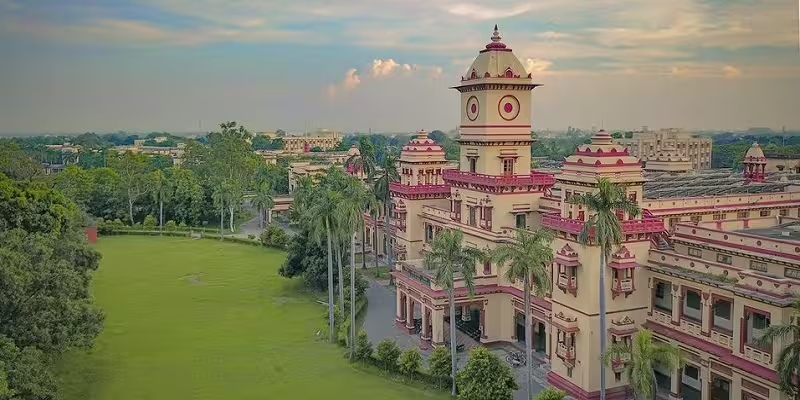
The Department of Mathematical Sciences at IIT (BHU) Varanasi, formerly known as Applied Mathematics, has been a cornerstone of mathematical education and research since 1968. The department serves the academic needs of undergraduate and postgraduate students of the Institute, as well as the four-year B.Tech. program in Mathematics and Computing.
Renowned for its strong research culture, the department has guided over 400 Ph.D. scholars, with more than 100 current doctoral researchers, and has produced over 2500 publications in esteemed international journals. Its faculty engage in interdisciplinary research across optimization, algebra, geometry, mathematical modeling, number theory, differential equations, probability, statistics, and computational mathematics, contributing significantly to both theoretical developments and practical applications.
Equipped with state-of-the-art computational and laboratory facilities, the department supports advanced research in areas including machine learning, mathematical modelling, data science, engineering, and emerging technologies. Through seminars, workshops, and conferences, it fosters intellectual exchange, international collaboration, and the development of the next generation of scholars, making it a leading center for mathematics and its applications globally.
For more information, please visit the website of the department.
About The Indian Institute of Technology (BHU) Varanasi
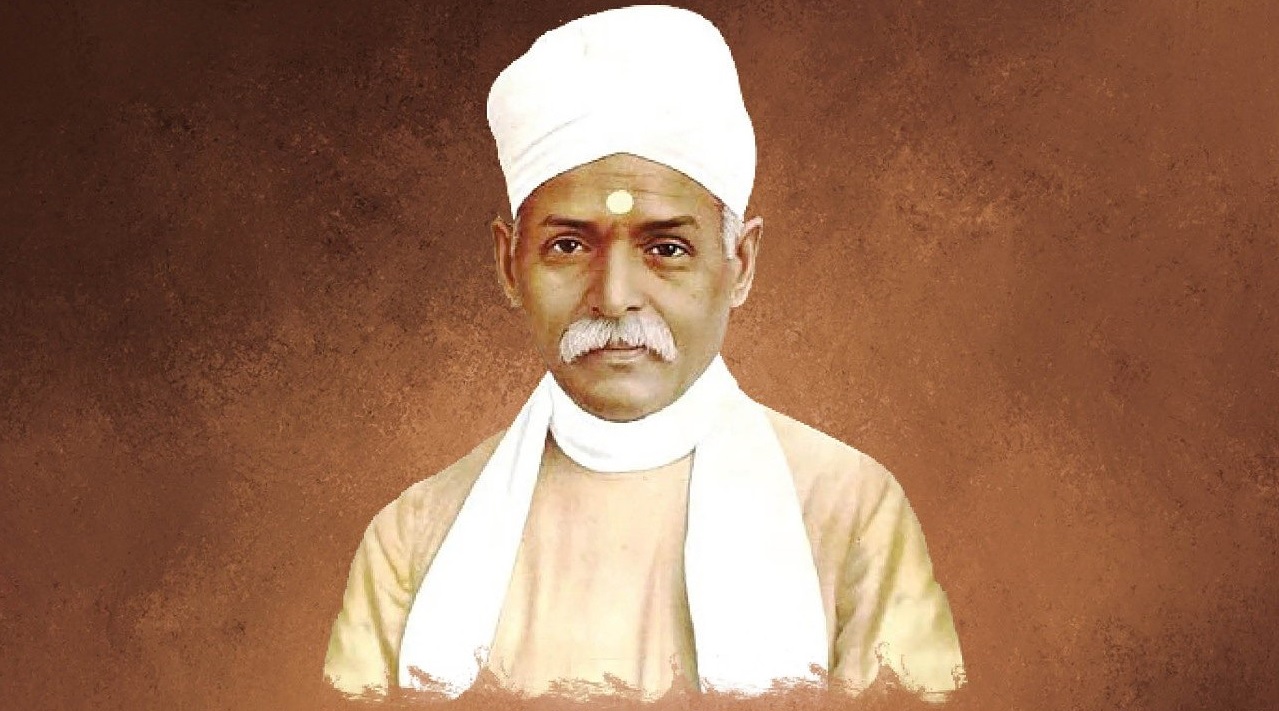
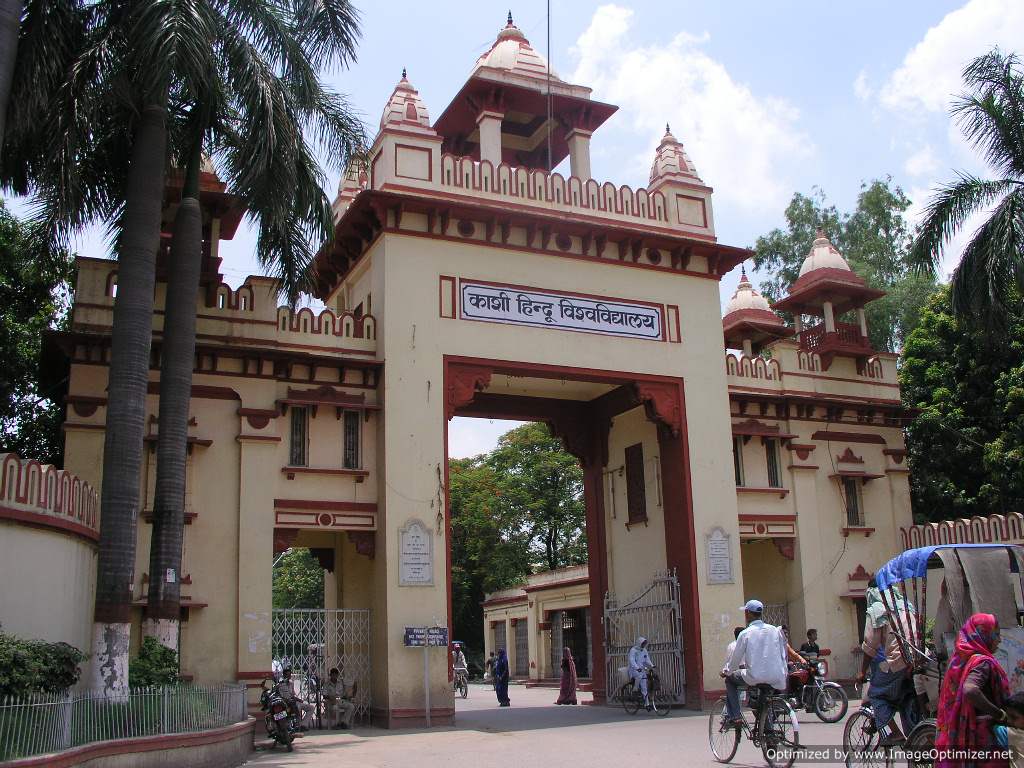
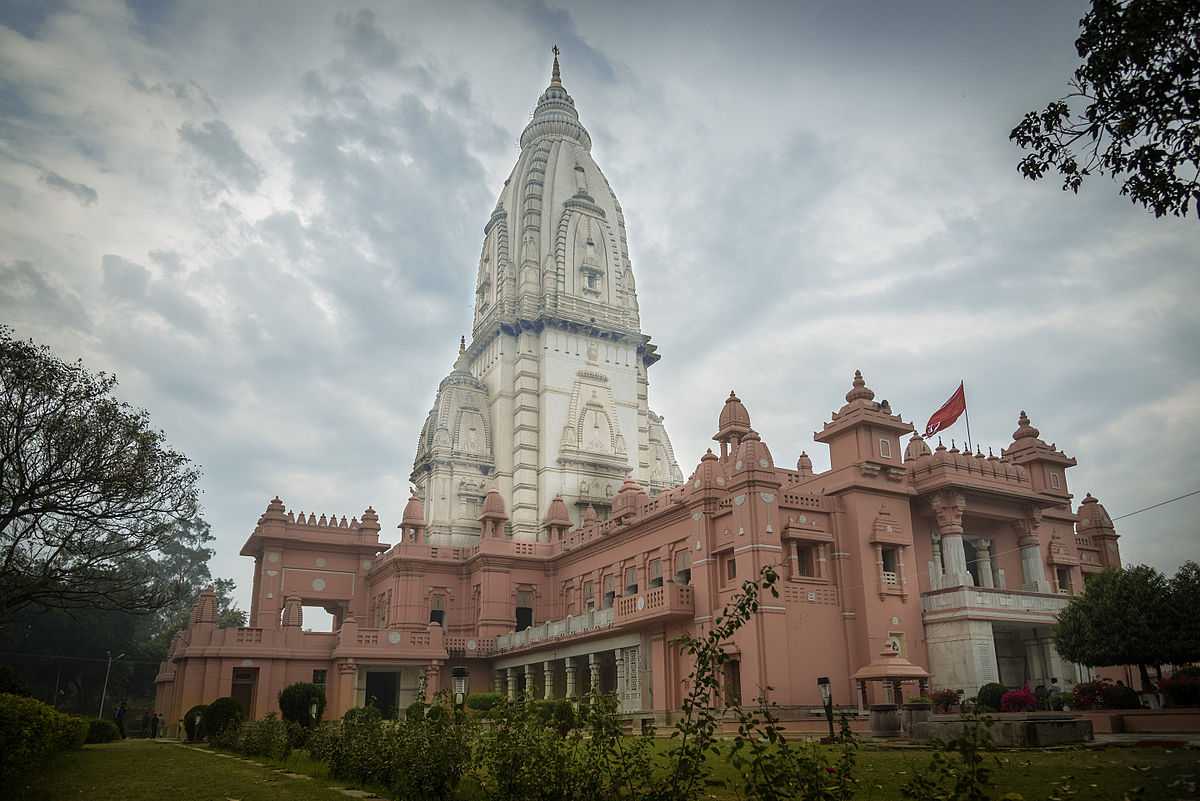
The Indian Institute of Technology (BHU) Varanasi is one of India's premier technical institutions, with a legacy tracing back to 1919, when the Banaras Engineering College (BENCO) was founded by the visionary Pt. Madan Mohan Malaviya. Over the years, the College of Mining & Metallurgy (MINMET) and the College of Technology (TECHNO) were added, and in 1968, these institutions were merged to form the Institute of Technology, Banaras Hindu University (IT-BHU). On June 29, 2012, IT-BHU was designated as an Indian Institute of Technology through an Act of Parliament, becoming IIT (BHU) Varanasi, to provide world-class engineering and scientific education and research.
Today, IIT (BHU) Varanasi comprises 17 departments and 3 interdisciplinary schools, offering undergraduate, postgraduate, and doctoral programs across engineering, sciences, technology, and humanities. The institute hosts a vibrant academic community of over 6,600 students and highly accomplished faculty members engaged in cutting-edge research across multiple domains, including optimization, artificial intelligence, aerospace, energy systems, and materials science.
IIT (BHU) Varanasi is recognized for its strong emphasis on research, innovation, and interdisciplinary collaboration. Its faculty and students contribute to high-impact publications in top-tier international journals, national and international research projects, and collaborations with leading global institutions. State-of-the-art laboratories, computational facilities, and specialized research centers provide the infrastructure to address complex scientific and engineering challenges.
The institute actively promotes knowledge dissemination through seminars, workshops, and international conferences, fostering an environment that bridges theory and application. With its unique combination of historical legacy, academic excellence, and research leadership IIT (BHU) Varanasi continues to play a pivotal role in advancing technology, science, and innovation at both national and global levels.
For more information, please visit the website of the institute.
Topics
The conference aims to provide a platform for advancing both the theory and applications of optimization, encouraging cross-fertilization between different fields. It also seeks to engage young researchers and students in a vibrant intellectual environment that promotes discussion, exploration, and innovation.
The conference will cover topics including but not limited to the following.
Fundamentals of Optimization
Convex and nonconvex optimization, variational analysis, duality theory, optimality conditions, approximation methods, global optimization, robust optimization.
Algorithmic Developments
Descent methods, interior-point methods, proximal algorithms, first-order and second-order methods, stochastic and randomized algorithms, large-scale optimization techniques.
Specialized Frameworks
Integer and combinatorial optimization, conic optimization, semidefinite and polynomial optimization, bilevel and hierarchical optimization, equilibrium problems.
Engineering Applications
Optimization in data science, machine learning, operations research, stochastic modelling, economics, control theory, signal processing, energy systems, engineering design, and network optimization.
Quantum Computing for Optimization
Algorithms, complexity, and applications of quantum methods for solving large-scale optimization problems in science, engineering, and national missions.
Aerospace and Defense Optimization
Trajectory design, guidance and control, secure communication, and resource allocation, which directly aligned with the goals of ISRO and DRDO.
Energy Systems and Nuclear Applications
Optimization in reactor design, radiation shielding, energy distribution, risk assessment, simulation-based optimization, with clear relevance to BARC and national energy security.
Statistical and Probabilistic Modeling
Estimation theory, hypothesis testing, regression analysis, reliability and survival analysis, stochastic optimization, uncertainty quantification, probabilistic graphical models, Bayesian inference, statistical learning, and optimization in high-dimensional data analysis and deep learning.
Sustainable Development and Optimization
Sustainable energy systems and energy distribution, resource allocation and sustainable infrastructure, optimization for climate-resilient systems, data-driven optimization for sustainable applications, multi-objective optimization for sustainable engineering.
Committees
Patron
Prof. Amit Patra
Director, Indian Institute of Technology (BHU) Varanasi
Organizing Chairs
Dr. Debdas Ghosh
Department of Mathematical Sciences, IIT (BHU) Varanasi
Dr. Amit Kumar
Department of Mathematical Sciences, IIT (BHU) Varanasi
Convener
Prof. Subir Das
Department of Mathematical Sciences, IIT (BHU) Varanasi
Secretary
Dr. Anuradha Banerjee
Department of Mathematical Sciences, IIT (BHU) Varanasi
Treasurers
Dr. Kousik Dhara
Department of Mathematical Sciences, IIT (BHU) Varanasi
Dr. Satyendra Kumar Mishra
Department of Mathematical Sciences, IIT (BHU) Varanasi
Program Committee
- Dr. Debdas Ghosh, IIT (BHU) Varanasi
- Prof. Anurag Jayswal, IIT (ISM), Dhanbad
- Dr. Amit Kumar, IIT (BHU) Varanasi
- Prof. S. K. Neogy, ISI Delhi
- Prof. Xian-Jun Long, Chongqing Technology and Business University, China
- Prof. Zai-Yun Peng, Yunnan Normal University, China
- Prof. V. Vetrivel, IIT Madras
Advisory Committee — International
- Prof. Tamás Terlaky, Lehigh University, USA
- Prof. Christiane Tammer, Martin-Luther-University Halle-Wittenberg, Germany
- Prof. Juan Enrique Martínez-Legaz, Autonomous University of Barcelona, Spain
- Prof. Jen-Chih Yao, China Medical University, Taichung, Taiwan
- Prof. Radu Strugariu, Gheorghe Asachi Technical University of Iasi, Romania
- Prof. Minh Dao, RMIT University, Australia
- Prof. Q. H. Ansari, King Fahd University of Petroleum and Minerals, Saudi Arabia
- Prof. Zai-Yun Peng, Yunnan Normal University, China
- Prof. Zhiang Zhou, Chongqing University of Technology, China
- Prof. Xian-Jun Long, Chongqing Technology and Business University, China
Advisory Committee — National
- Prof. Debjani Chakraborty, IIT Kharagpur
- Prof. S. K. Neogy, ISI Delhi
- Prof. S. Dharmaraja, IIT Delhi
- Prof. V. Vetrivel, IIT Madras
- Prof. Anurag Jayswal, IIT (ISM), Dhanbad
- Prof. S. P. Yadav, IIT Roorkee
Organizing Committee
- Prof. Lal Pratap Singh, IIT (BHU) Varanasi
- Prof. Santosh Kumar Upadhyay, IIT (BHU) Varanasi
- Prof. Santwana Mukhopadhyay, IIT (BHU) Varanasi
- Prof. Subir Das, IIT (BHU) Varanasi
- Prof. Rajeev, IIT (BHU) Varanasi
- Prof. Vineet Kumar Singh, IIT (BHU) Varanasi
- Prof. Ashok Ji Gupta, IIT (BHU) Varanasi
- Dr. Sunil Kumar, IIT (BHU) Varanasi
- Dr. Anuradha Banerjee, IIT (BHU) Varanasi
- Dr. Sheela Verma, IIT (BHU) Varanasi
- Dr. Anoop Singh, IIT (BHU) Varanasi
- Dr. Amit Kumar, IIT (BHU) Varanasi
- Dr. Rakesh Arora, IIT (BHU) Varanasi
- Dr. Manish Kumar Khandelwal, IIT (BHU) Varanasi
- Dr. Satyendra Kumar Mishra, IIT (BHU) Varanasi
- Dr. Kousik Dhara, IIT (BHU) Varanasi
- Dr. Bivas Khan, IIT (BHU) Varanasi
- Dr. Mustapha Bouallala, Cadi Ayyad University, Morocco
- Mr. Nand Kishor, IIT (BHU) Varanasi
- Mr. Ravi Raushan, IIT (BHU) Varanasi
- Mr. Krishna Gupta, IIT (BHU) Varanasi
- Mr. Jaydip Das, IIT (BHU) Varanasi
- Ms. Tapasi Karmakar, IIT (BHU) Varanasi
- Ms. Katyanai Priya, IIT (BHU) Varanasi
- Mr. Poleen Kumar, IIT (BHU) Varanasi
- Ms. Shavita Chaturvedi, IIT (BHU) Varanasi
- Mr. Ashutosh Kasaudhan, IIT (BHU) Varanasi
- Ms. Jeenee, IIT (BHU) Varanasi
- Ms. Anureet Kaur, IIT (BHU) Varanasi
- Mr. Alauddin Mondal, IIT (BHU) Varanasi
Speakers
Keynote Speakers
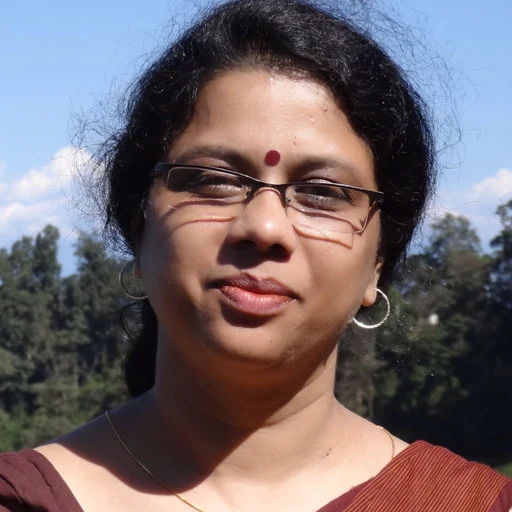
Prof. Debjani Chakraborty
Indian Institute of Technology Kharagpur,
India
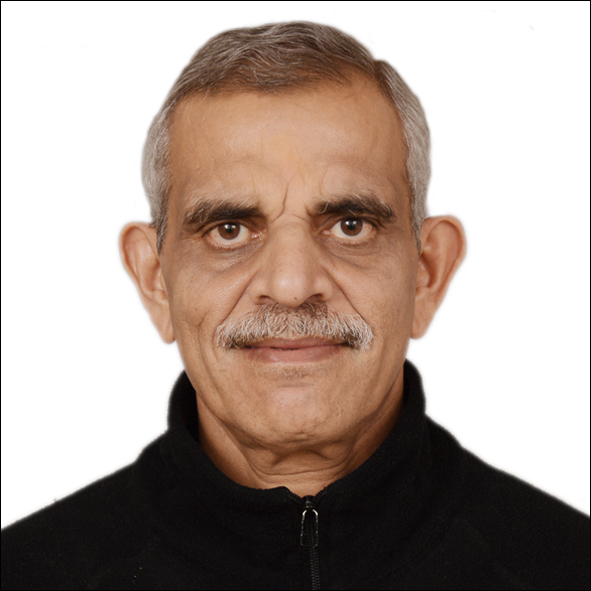
Prof. Neeraj Misra
Indian Institute of Technology Kanpur, India
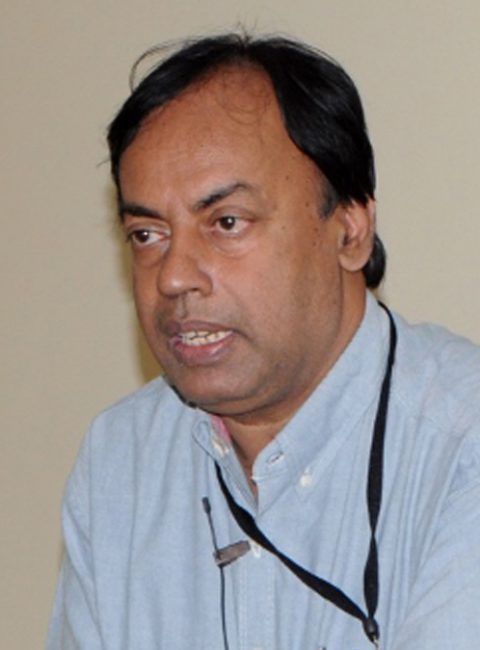
Prof. S. K. Neogy
Indian Statistical Institute, Delhi, India
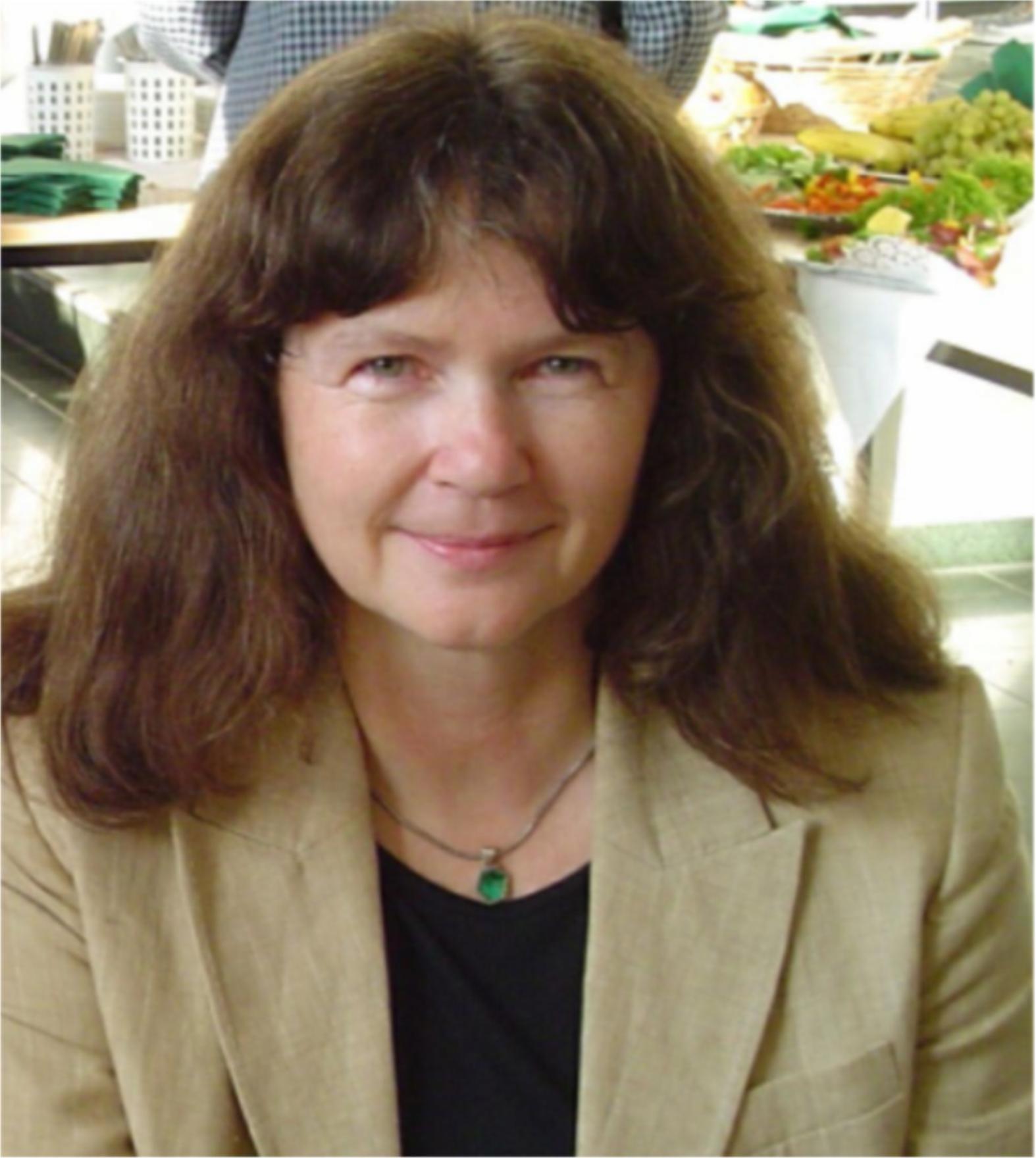
Prof. Christiane Tammer
Martin-Luther-University Halle-Wittenberg,
Germany
Prof. Tamás Terlaky
Lehigh University, USA

Plenary Speakers
Prof. Dharmaraja Selvamuthu
Indian Institute of Technology Delhi,
India
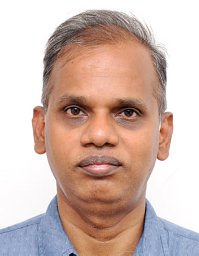
Prof. Joydeep Dutta
Indian Institute of Technology Kanpur, India
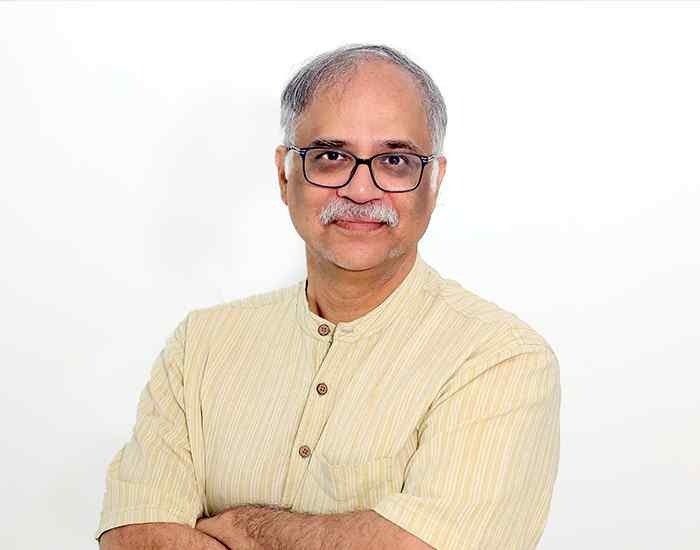
Prof. Adrijit Goswami
Indian Institute of Technology Kharagpur, India
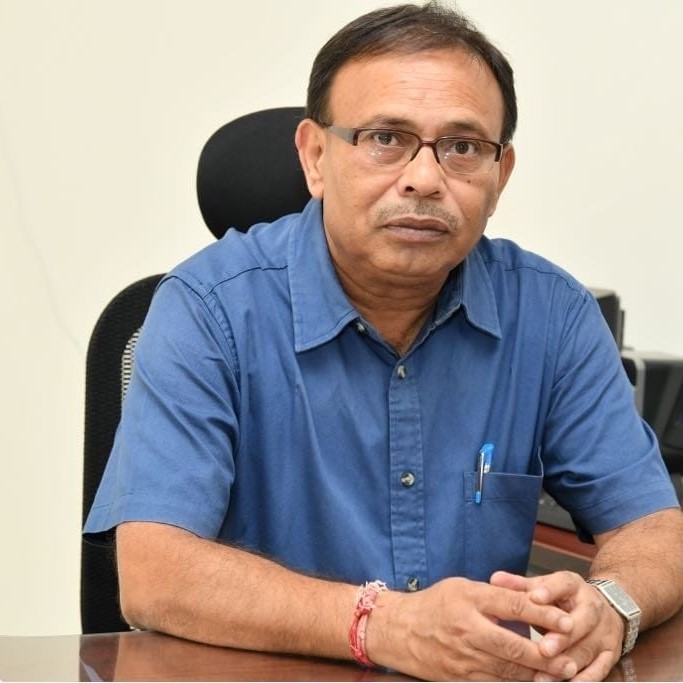
Prof. Anurag Jayswal
Indian Institute of Technology (ISM) Dhanbad,
India
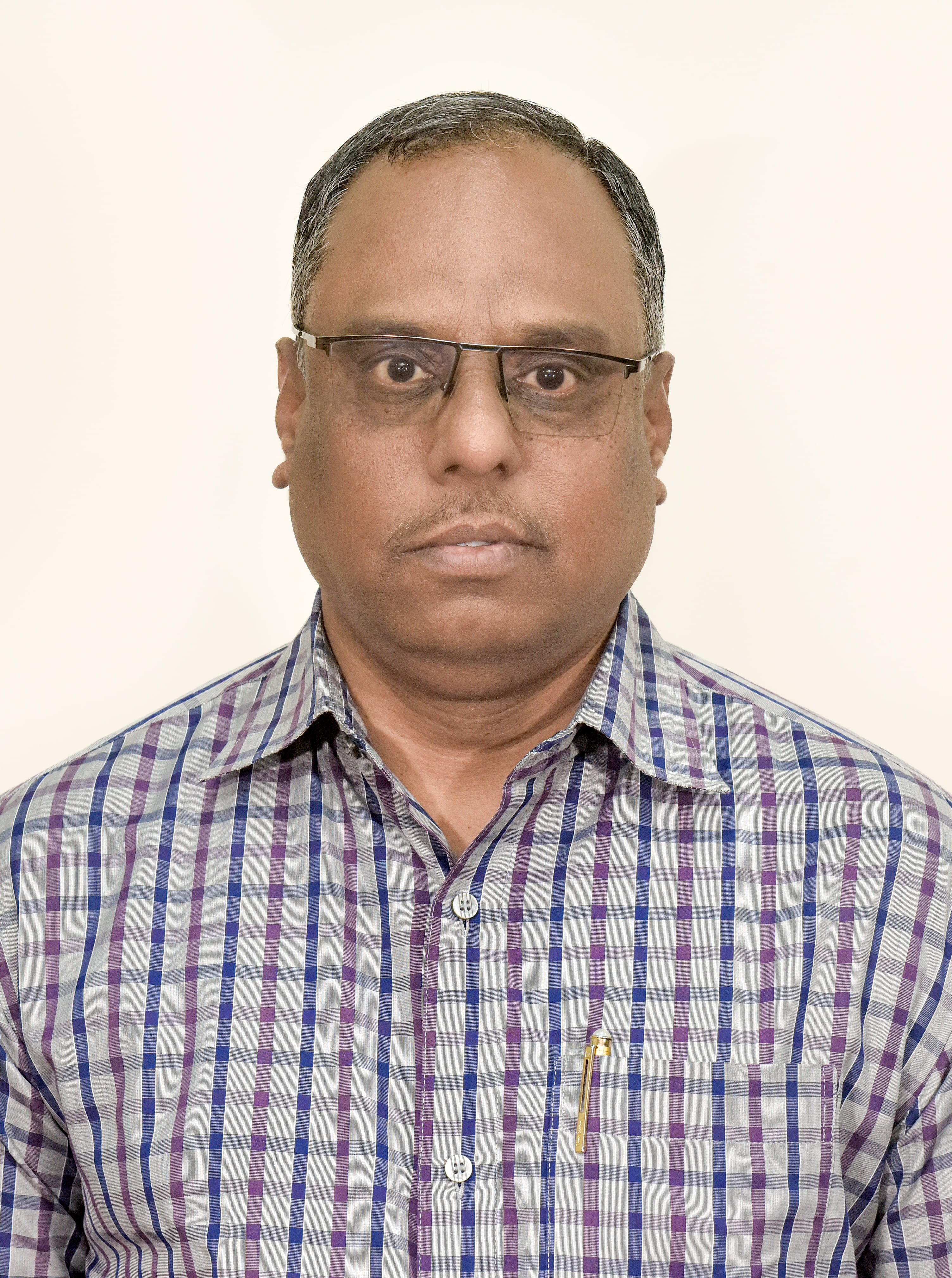
Prof. Debasis Kundu
Indian Institute of Technology Kanpur, India
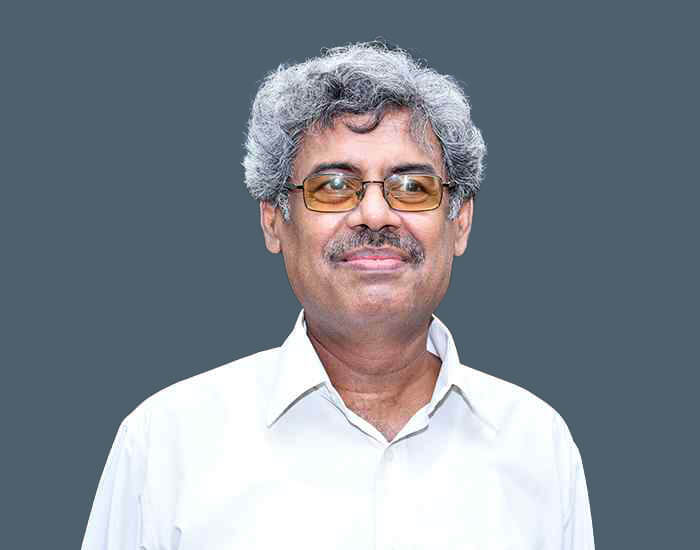
Dr. Vinay Pandey
Indian Space Research Organization, Bengaluru, India

Dr. Bhupendra Singh
Scientist F, CAIR, DRDO Bangalore
Prof. Radu Strugariu
Gheorghe Asachi Technical University of Iasi,
Romania

Prof. Neelesh S. Upadhye
Indian Institute of Technology Madras, India
Prof. Vellaisamy P.
University of California, USA
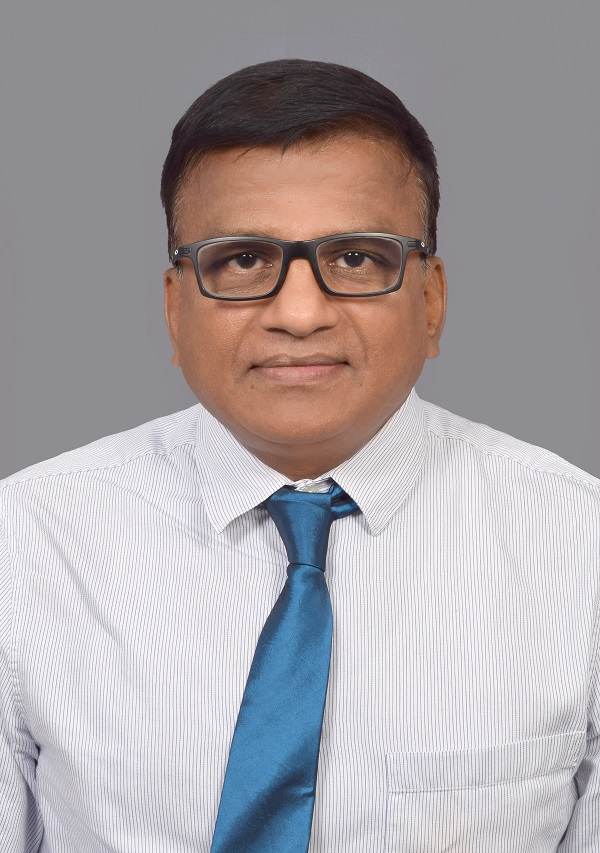
Prof. V. Vetrivel
Indian Institute of Technology Madras, India
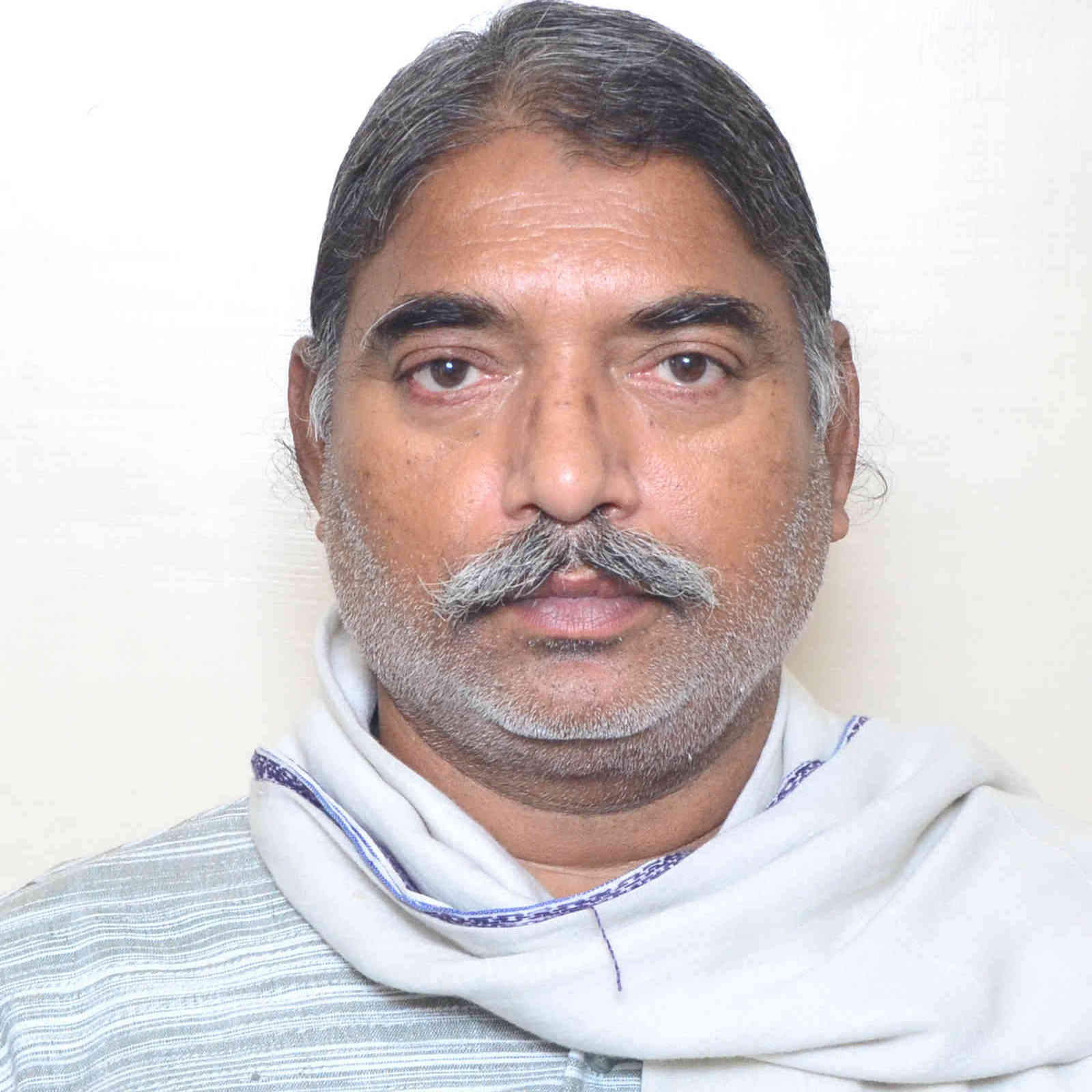
Prof. S. P. Yadav
Indian Institute of Technology Roorkee, India
Invited Speakers
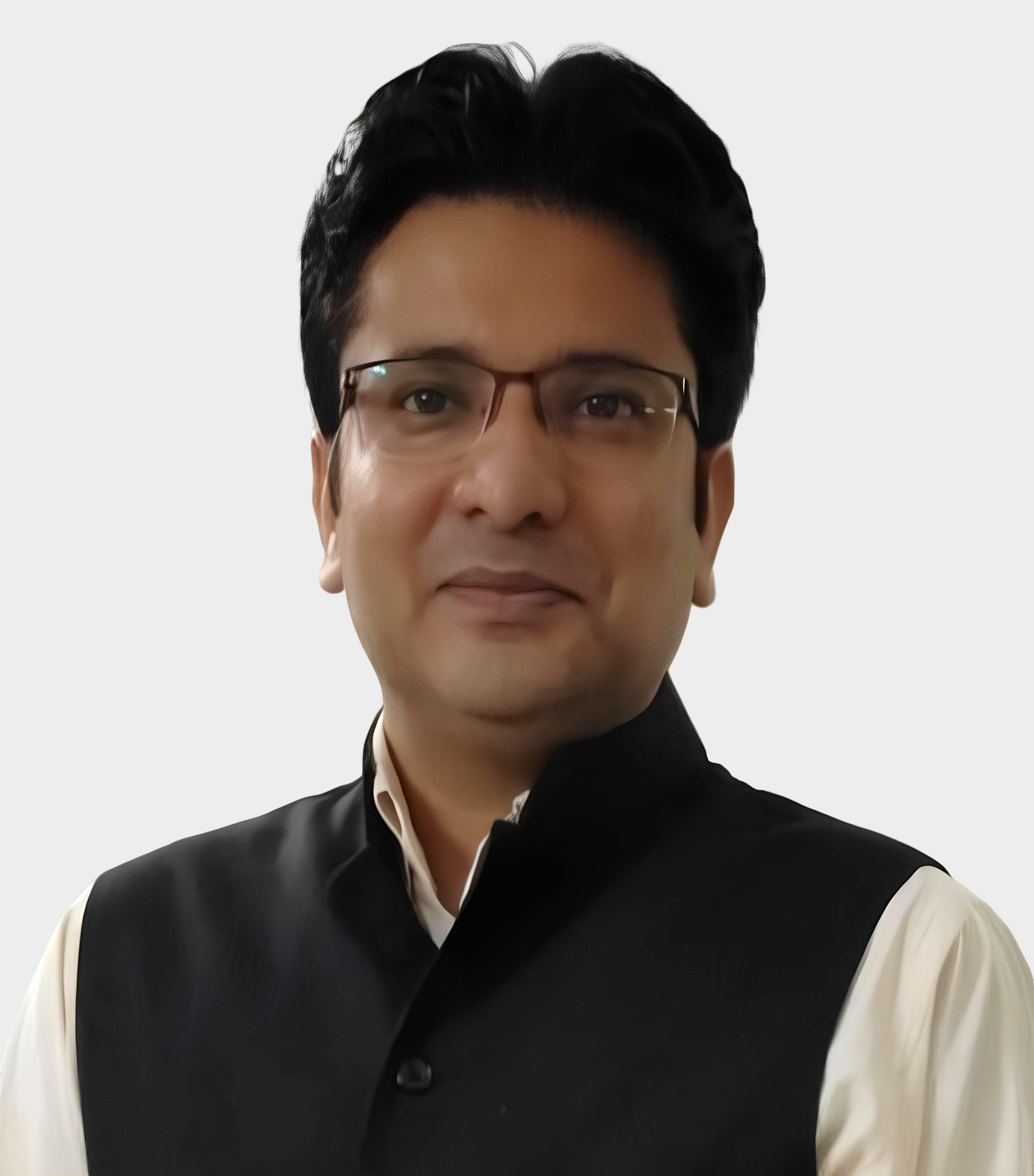
Dr. Mohd. Arshad
Indian Institute of Technology Indore, India
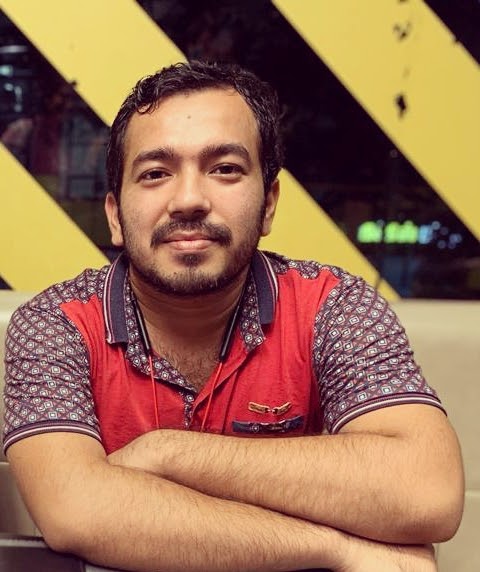
Dr. Kalyan Barman
National Institute of Technology Warangal, India
Dr Raju Chowdhury
ISI Kolkata, India
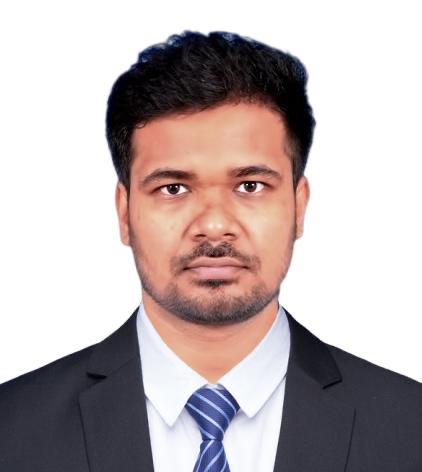
Prof. Prasit Cholamjiak
University of Phayao, Thailand
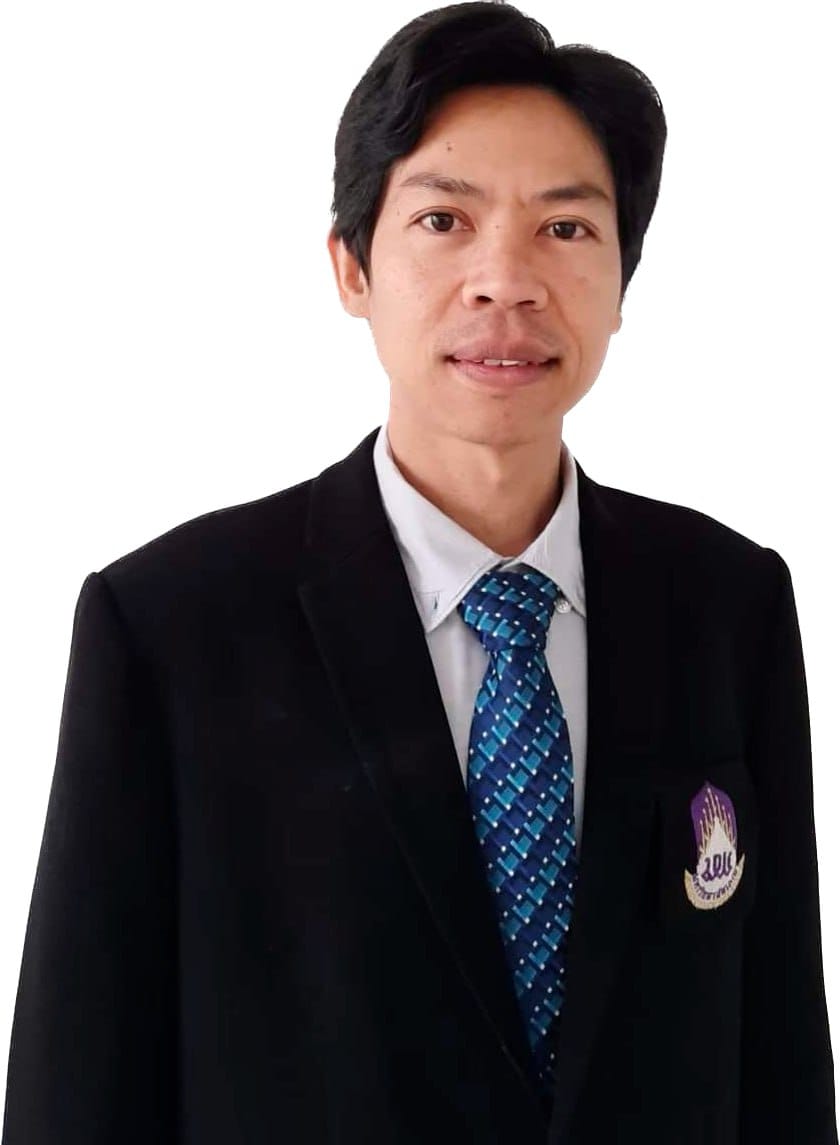
Prof. Watcharaporn Cholamjiak
University of Phayao, Thailand

Prof. Minh Dao
RMIT University, Australia
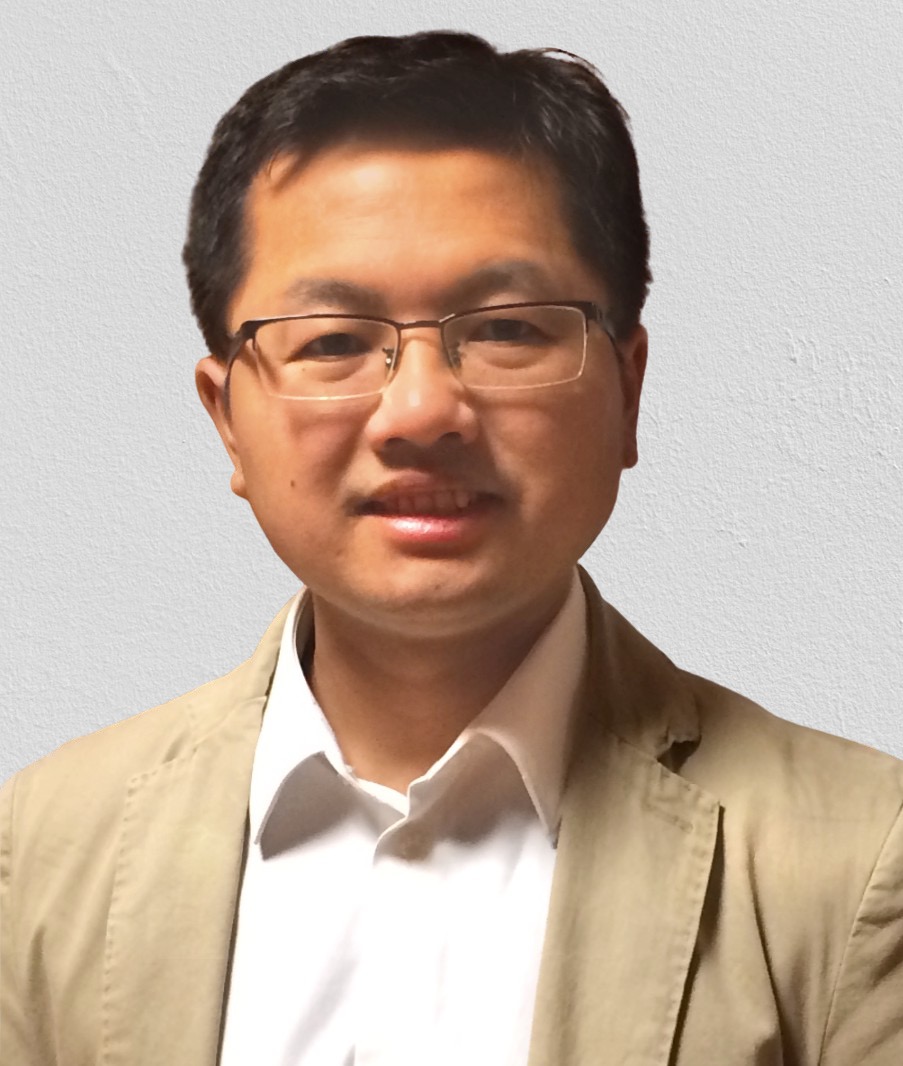
Dr. Ishapathik Das
Indian Institute of Technology Tirupati, India
Dr. Pankaj Gautam
Indian Institute of Technology Roorkee, India
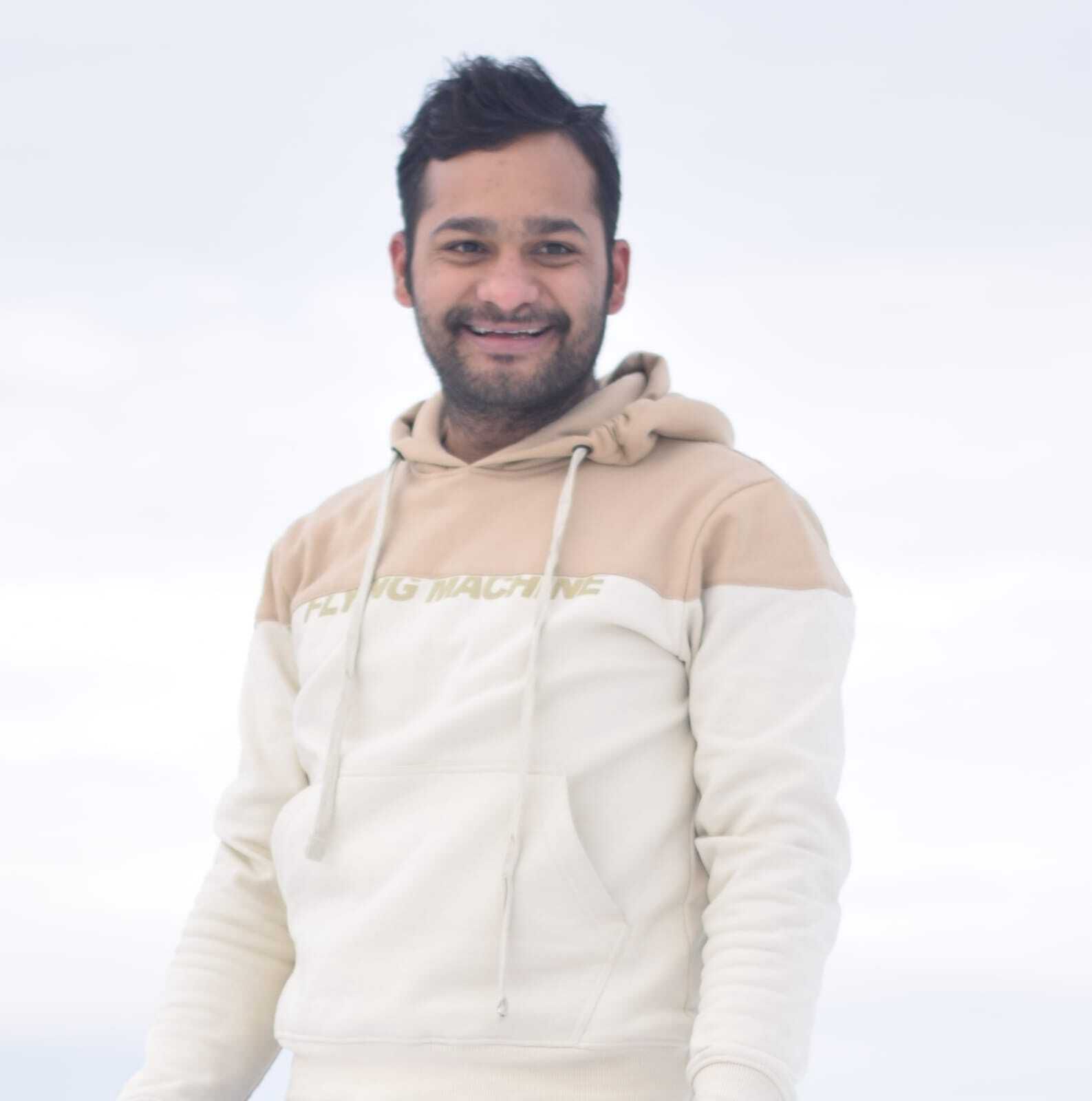
Prof. Shiv Kumar Gupta
Indian Institute of Technology Roorkee, India
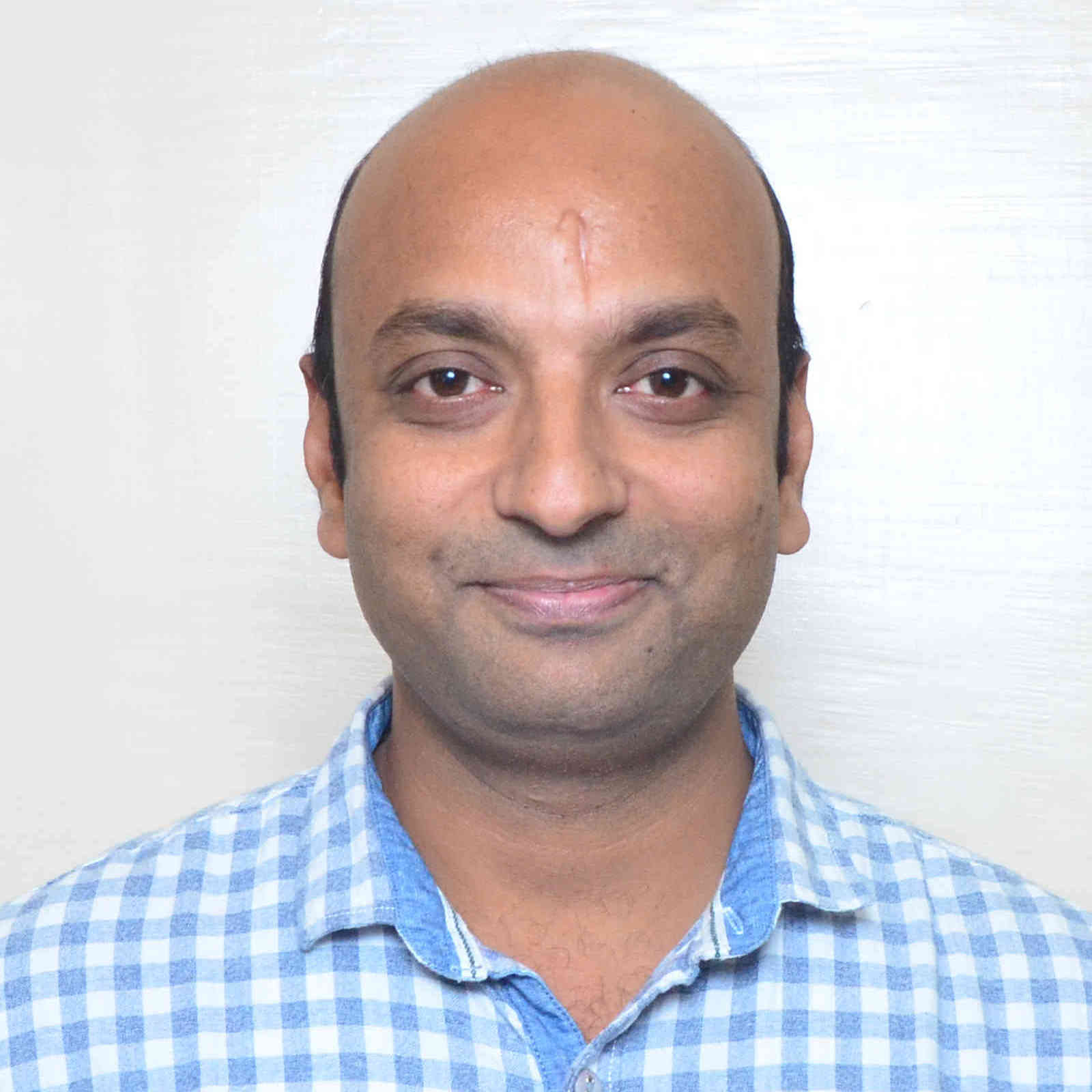
Dr. Nil Kamal Hazra
Indian Institute of Technology Jodhpur, India
Dr. Akhlad Iqbal
Aligarh Muslim University, India
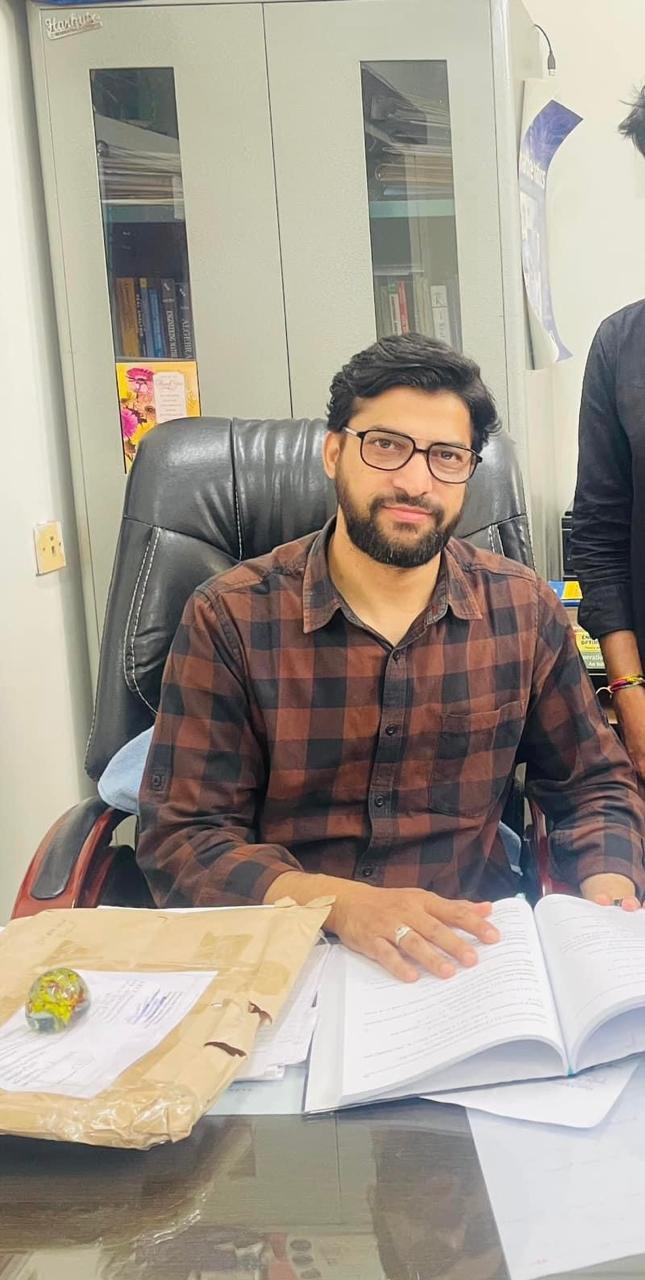
Dr. Monirul Islam
Aligarh Muslim University, India
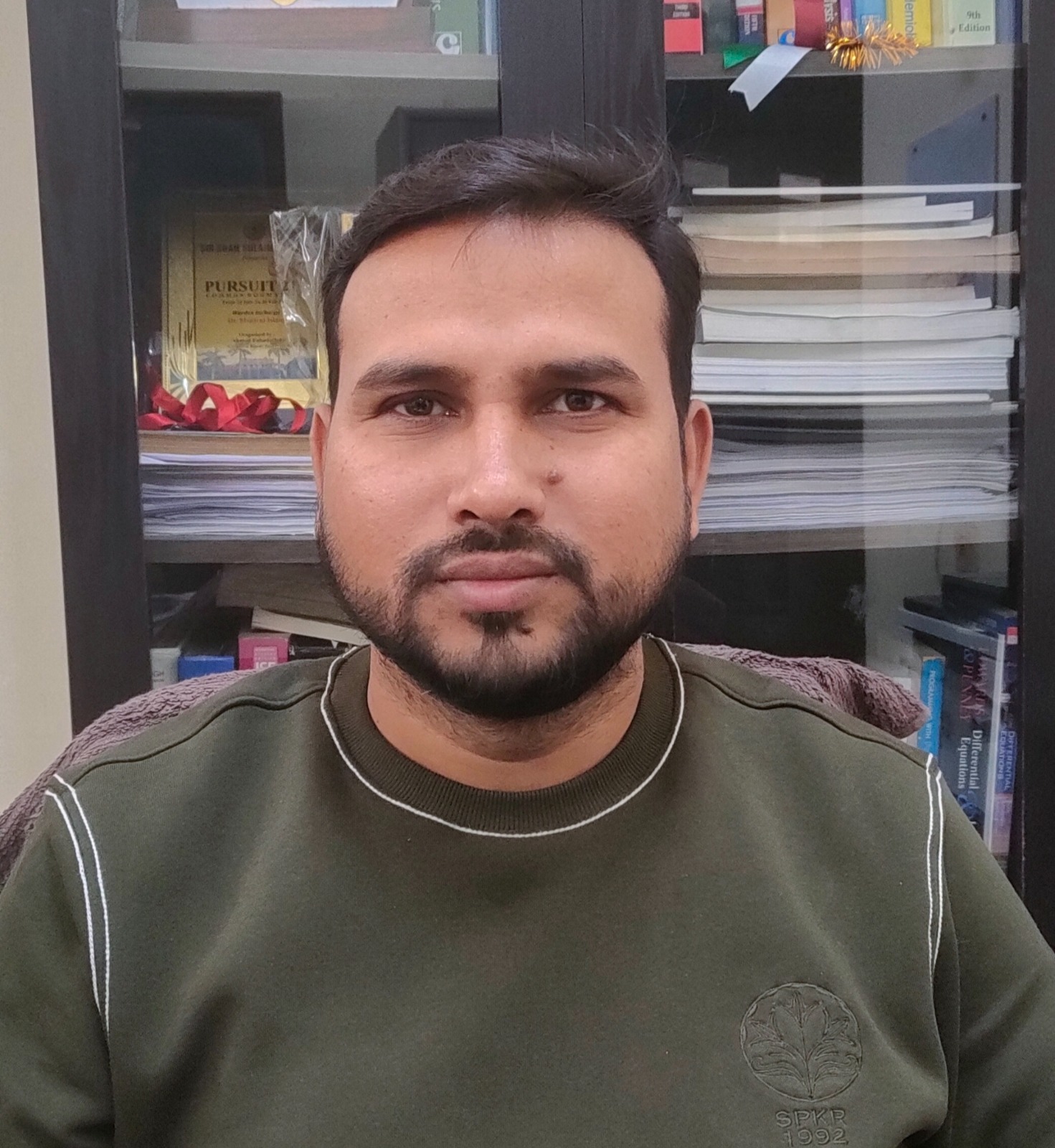
Dr. Suchandan Kayal
National Institute of Technology Rourkela, India
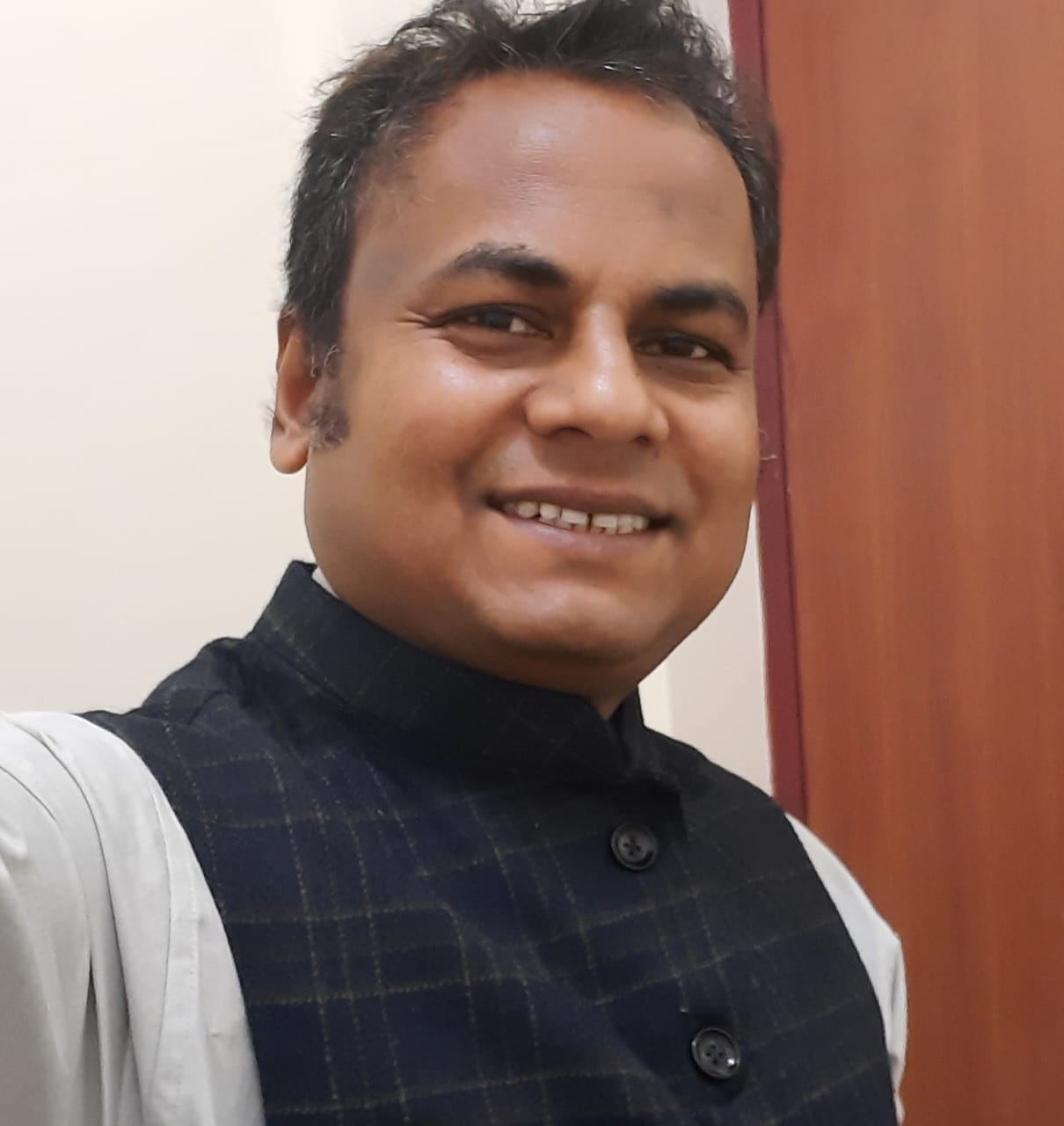
Dr. Krishan Kumar
Indian Institute of Technology Kanpur, India
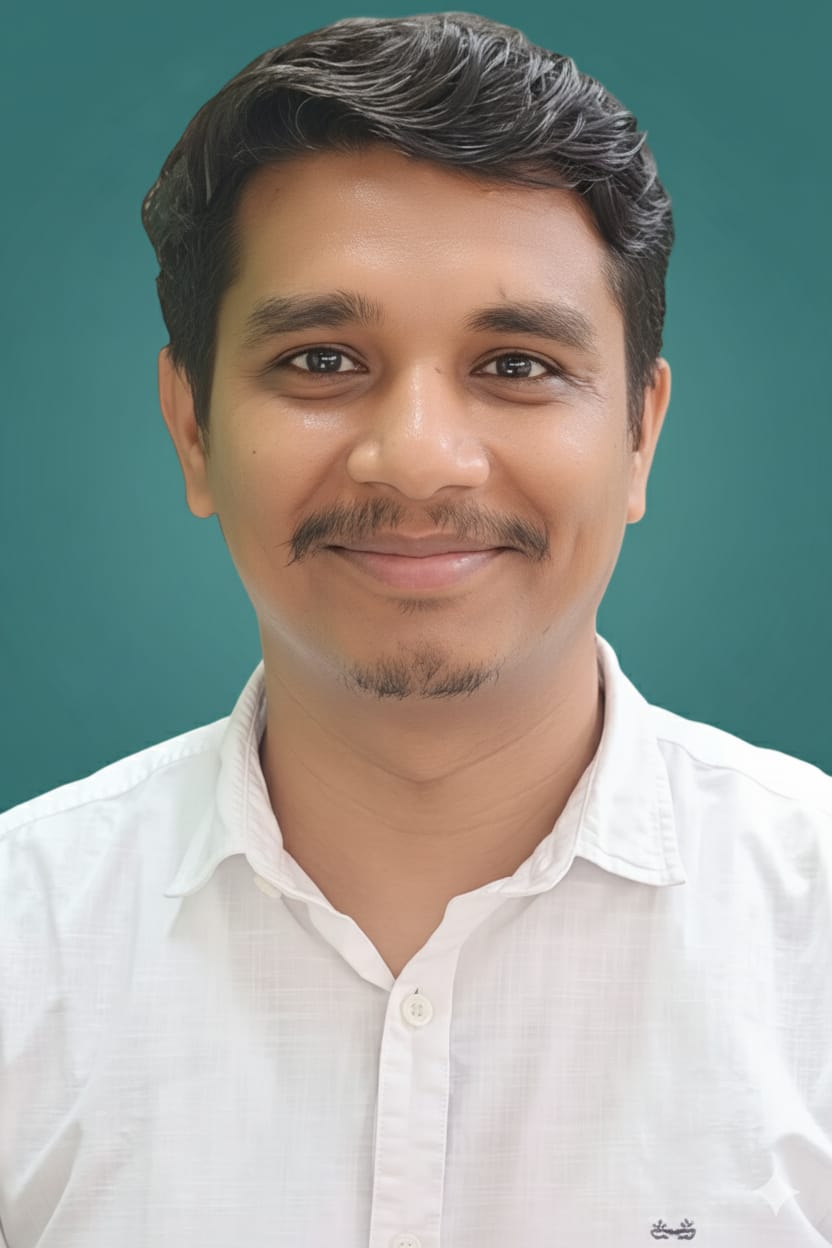
Dr. Nitin Kumar
Indian Institute of Technology Jammu, India
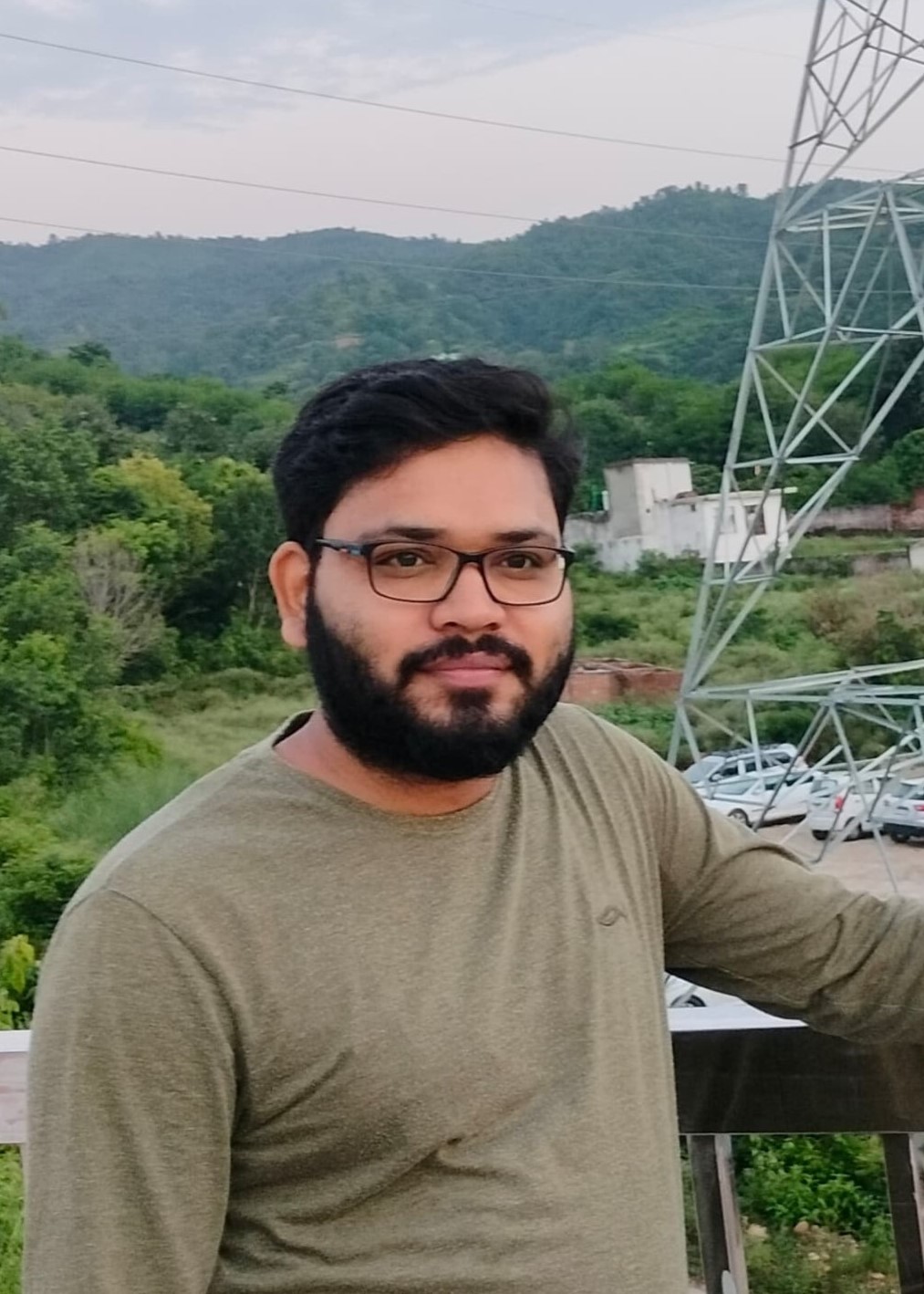
Dr. Vivek Laha
Banaras Hindu University, India

Dr. Prashanta Majee
MNNIT Allahabad, India
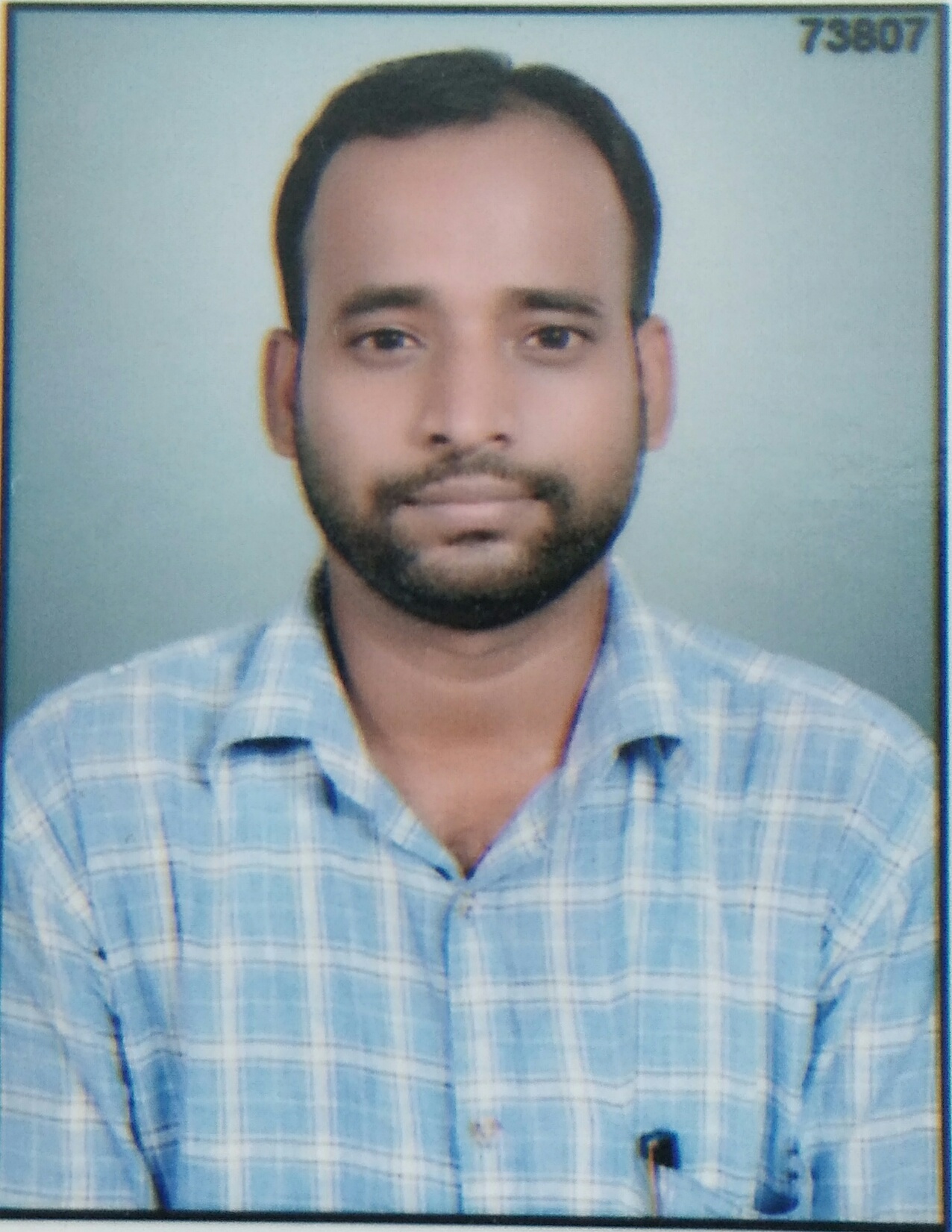
Dr. Naoki Marumo
University of Tokyo, Japan
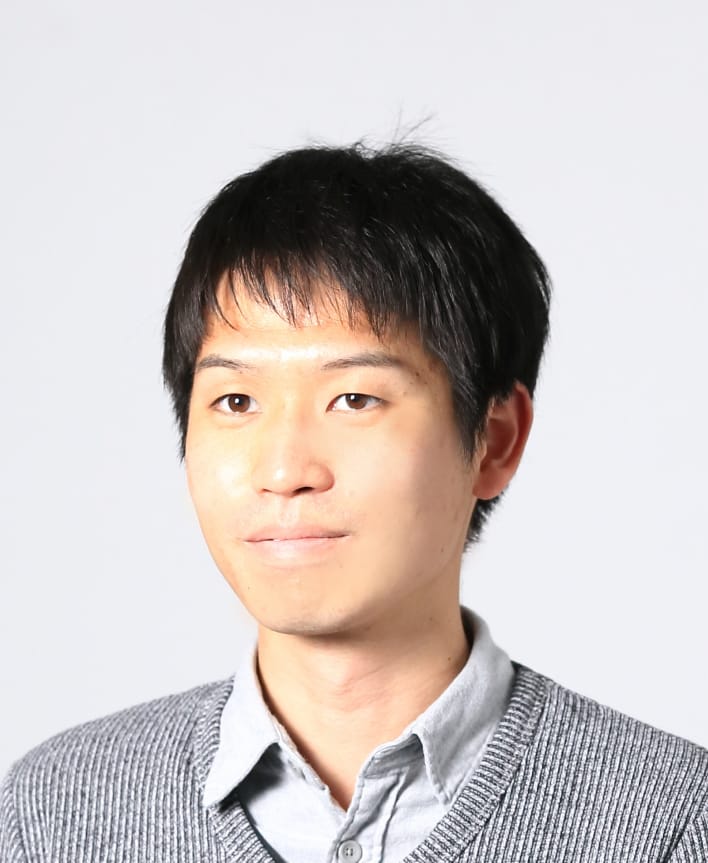
Dr. Ashok Kumar Pathak
Central University of Punjab, India
Prof. Zai-Yun Peng
Yunnan Normal University, China
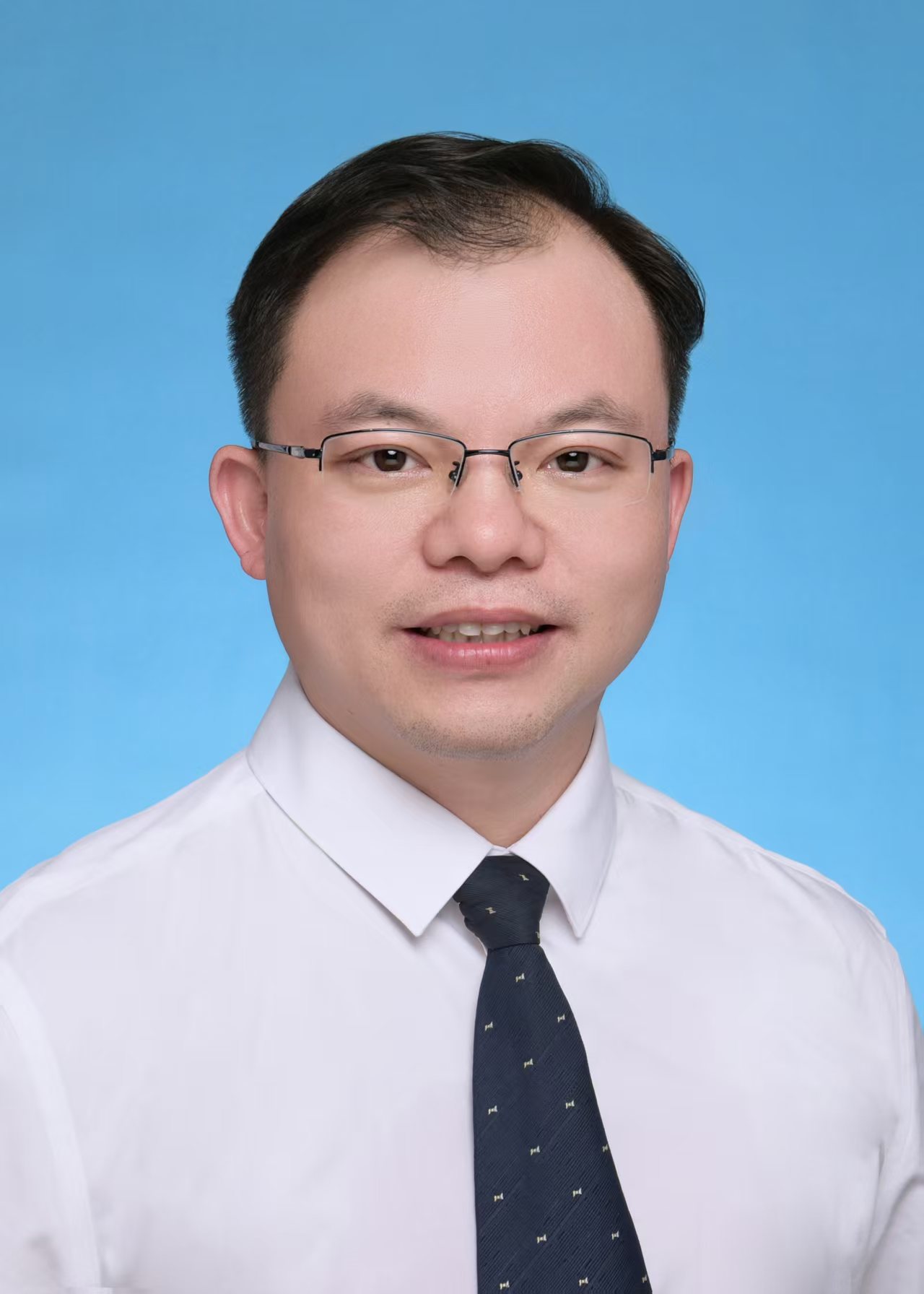
Dr. Laxman Saha
Balurghat College, India
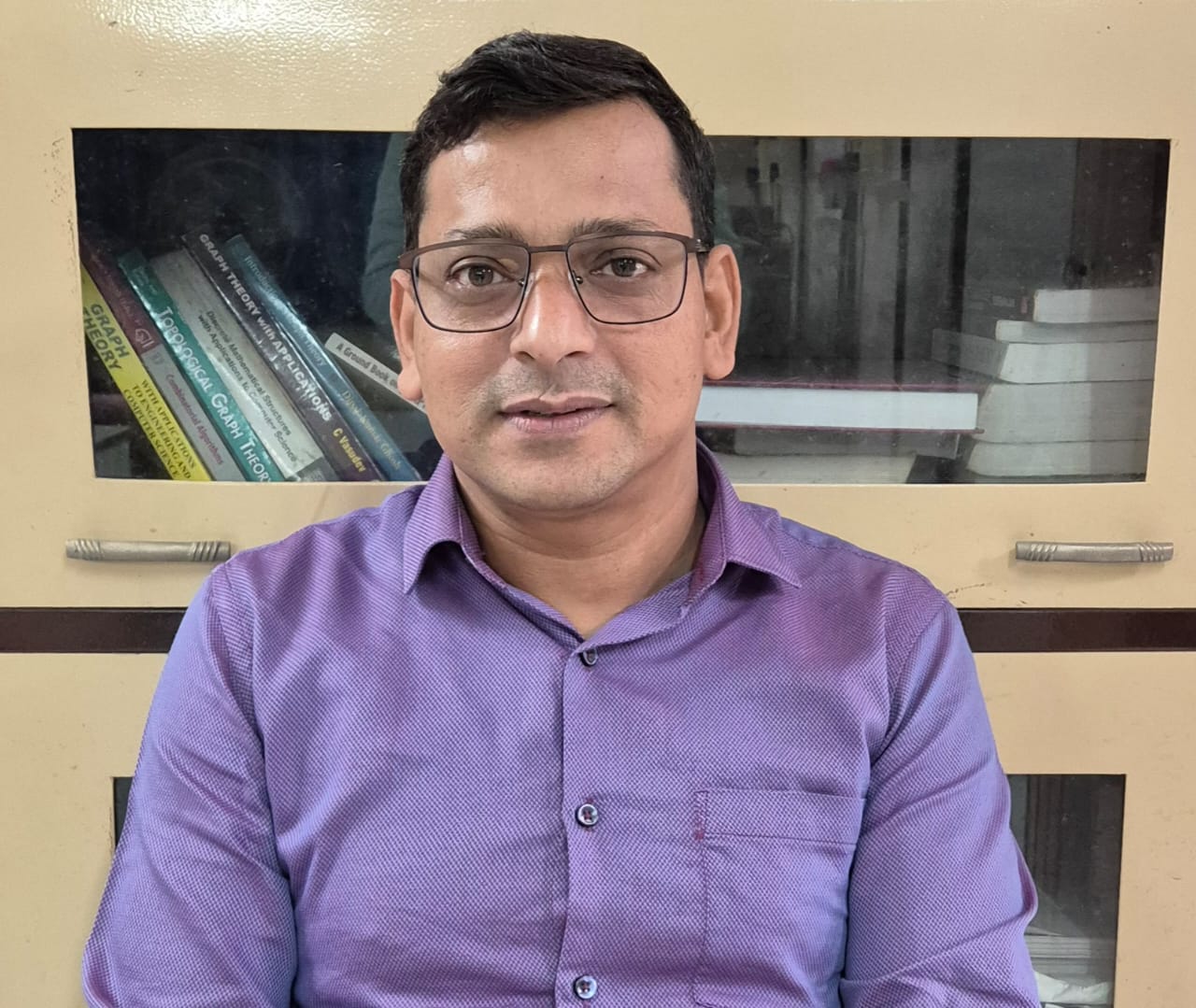
Dr. Kuntal Som
Indian Institute of Technology Jodhpur, India
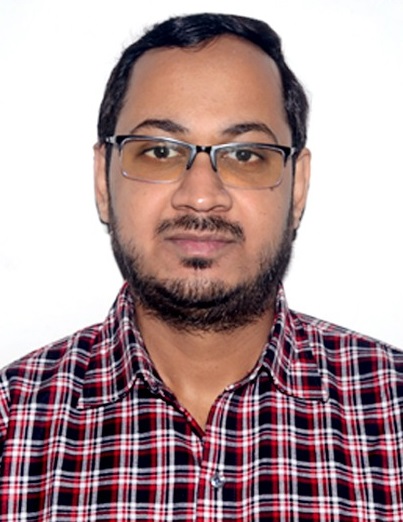
Dr. Yong Zhao
Chongqing Jiaotong University, China
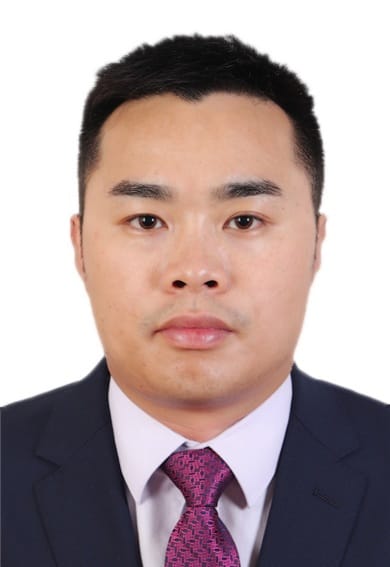
Prof. Zhiang Zhou
Chongqing University of Technology, China
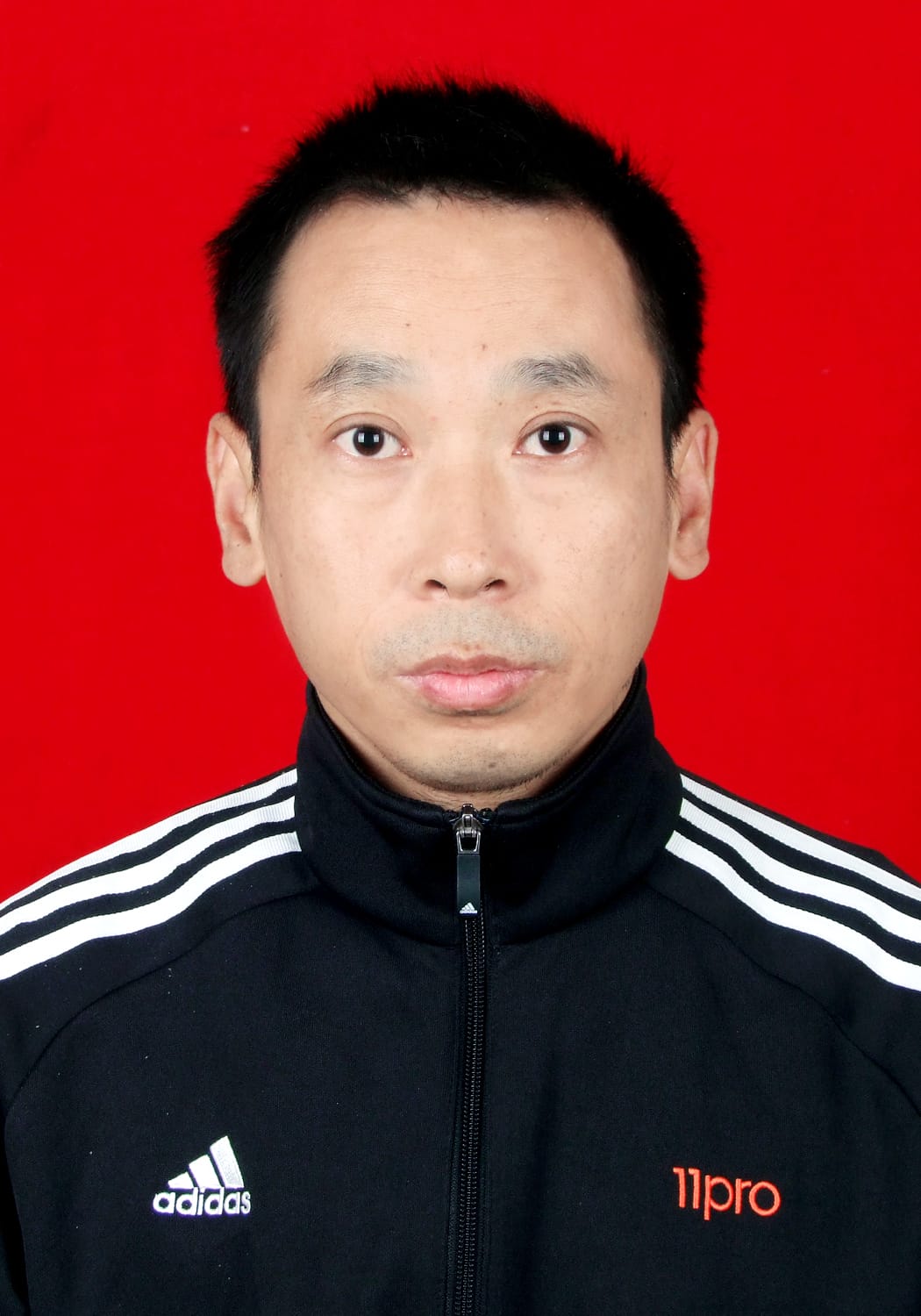
Important Deadlines
Deadline for abstract submission for paper presentation
February 10, 2026
February 15, 2026
Deadline for acceptance of paper presentation
February 15, 2026
February 22, 2026
Early registration
Opens on December 1, 2025
Closes on February 22, 2026
Late registration
Opens on February 23, 2026
Closes on March 5, 2026
Displaying the final list of accepted papers for presentation
March 7, 2026
Call for Paper Presentation
Researchers, academicians, and industry professionals are invited to submit abstracts for paper presentations in the following topics. Both theoretical and applied contributions are welcome.
Fundamentals of Optimization
- Convex and nonconvex optimization
- Smooth and nonsmooth optimization
- Scalar and vector optimization
- Set-valued optimization
- Global optimization
- Robust optimization
- Stochastic optimization
- Combinatorial optimization
- Variational analysis
- Duality theory and optimality conditions
- Approximation methods
- Optimization under uncertainty
Algorithmic Developments
- Descent methods
- First-order and second-order methods
- Interior-point methods
- Proximal algorithms
- Stochastic and randomized algorithms
- Large-scale optimization techniques
Specialized Frameworks
- Integer and combinatorial optimization
- Conic optimization
- Semidefinite and polynomial optimization
- Bilevel and hierarchical optimization
- Equilibrium problems
Engineering Applications
- Optimization in data science
- Machine learning
- Operations research
- Control theory
- Signal processing
- Energy systems
- Engineering design
- Network optimization
Quantum Computing for Optimization
- Quantum algorithms
- Computational complexity
- Quantum-inspired optimization methods for large-scale problems
Aerospace and Defense Optimization
- Trajectory design
- Guidance and control
- Secure communication
- Resource allocation — directly aligned with the objectives of ISRO and DRDO.
Energy Systems and Nuclear Applications
- Optimization in reactor design
- Radiation shielding
- Energy distribution
- Risk assessment
- Simulation-based optimization, with clear relevance to BARC and national energy security.
Statistical and Probabilistic Modeling
- Estimation theory
- Hypothesis testing
- Regression analysis
- Reliability and survival analysis
- Stochastic optimization
- Uncertainty quantification
- Probabilistic graphical models
- Bayesian inference
- Statistical learning
- Optimization in high-dimensional data analysis and deep learning.
Abstract Submission Guidelines
Abstract should clearly mention the title, authors, affiliations of the authors, and key findings within 250–300 words. All abstracts must be submitted through this Google Form.
Notes
- Submissions via email will not be accepted.
- Each abstract will undergo a review process.
- Accepted abstracts will be scheduled for oral presentation only if at least one author has completed the conference registration, and each accepted abstract has at least one registered participant.
Paper Submission Guidelines
For a paper presentation at the conference, you need to submit only the abstract of the paper. Abstract should clearly mention the title, authors, affiliations of the authors, and key findings within 250–300 words. All abstracts must be submitted through this Google Form.
Notes
- Submissions via email will not be accepted.
- Each abstract will undergo a review process.
- Accepted abstracts will be scheduled for oral presentation only if at least one author has completed the conference registration, and each accepted abstract has at least one registered participant.
Accepted Papers
To be announced soon.
Best Paper Awards
Download the shortlisted candidates for the best paper awards
To recognize outstanding research contributions, Best Paper Awards will be presented in different categories during the conference.
Participants interested in competing for the Best Paper Presentation Award are requested to scan the filled-in nomination form and submit their details via this Google Form for abstract submission for paper presentation.
A participant eligible for the award must be either a student or an Assistant Professor. Here, ‘student’ refers to an individual who has not yet obtained a Ph.D. degree. There will be three awards for each of the following three categories.
Award Categories
- Theoretical Papers
- Applied Papers
- Computational Papers
Three awards will be given.
Three awards will be given.
Three awards will be given.
Rules for Participation
- An author of an article accepted for presentation is eligible to compete for the best paper awards.
- Without registration for presentation, a paper cannot be evaluated for awards.
- The presented paper must be an accepted paper in a SCIE/SCI journal with SCImago Journal Rank Q1 or Q2.
- Accepted presented papers will be evaluated by an expert committee based on originality, technical quality, clarity of presentation, and relevance to the conference themes.
- If the number of participants is less in the best paper award, then there will be fewer awards. In such a case, the number of awards will be announced during the best paper award presentation session.
Winners will receive a certificate of excellence and an award of recognition during the valedictory session.
Registration
Registration Fees
Early Registration Fees (deadline February 22, 2026)
For Indian Participants
- Students: INR 4000 + 18% GST
- For Faculty Members: INR 6000 + 18% GST
- For Industry/R&D Organization: INR 7000 + 18% GST
For Overseas Participants
- Students: USD 150 + 18% GST
- Others: USD 200 + 18% GST
Late Registration Fees
For Indian Participants
- Students: INR 4500 + 18% GST
- For Faculty Members: INR 7000 + 18% GST
- For Industry/R&D Organization: INR 8000 + 18% GST
For Overseas Participants
- Students: USD 160 + 18% GST
- Others: USD 220 + 18% GST
Notes
- No GST is applicable for IIT(BHU) students or faculties.
- Early registration is encouraged to secure participation and ensure inclusion in the official program booklet.
- A deposited registration fee is non-refundable.
- For a multi-author paper, if more than one author wishes to participate in the conference, each author must register separately.
- Accepted abstracts will be scheduled for oral presentation only if at least one author has completed the conference registration. An author is allowed to present multiple papers provided each paper is separately registered.
- Any individual who wishes to attend the conference is welcome to participate, even without an accepted paper. However, they must complete the registration process.
Registration Process
Please follow the steps below to complete your registration.
STEP 1: Payment
Registration fees must be paid through online bank transfer using the following details.
Bank transfer details
Account Name: IIT (BHU) - Main Account (Institute Development Fund)
Account Number: 32778803937
Account Type: Current
Beneficiary Name: Registrar, IIT (BHU) Varanasi
Bank Name & Branch: State Bank of India, IIT (BHU), Varanasi – 221005
IFSC Code: SBIN0011445
MICR Code: 221002036
Bank Code: 011445
SWIFT Code (for international transfers): SBININBB125
STEP 2: Registration Form
After successful payment, fill in the Google Registration Form.
Additional Information
The registration fee includes access to all scientific sessions, conference materials, breakfast, lunch, dinner, tea/coffee breaks, and the conference banquet.
Accommodation charges are not included in the registration fee. Information regarding accommodation options is available on the Accommodation page.
A participation certificate will be provided to all registered attendees.
Program Schedule
Special Issues



Accommodation
- GTAC - IIT BHU Guest House Accommodation
- Hostel Accommodation for Boys
- Hostel Accommodation of Girls
Limited accommodation facilities are available within the IIT (BHU), campus for registered participants on a first-come, first-served basis.
IIT (BHU) Guest House and IIT (BHU) student hostels will be allotted on a sharing basis, subject to availability. All participants, except the invited speakers, are required to pay for accommodation if they choose to avail it. The approximate accommodation cost is INR 1500 per day at the IIT (BHU) Guest House and INR 150 per day at the IIT (BHU) student hostels.
Participants are encouraged to make their accommodation requests well in advance through this Google Form for registration.
For those preferring off-campus options, several good hotels and lodges are available in and around the Institute campus at varying tariffs.
Contact Us
General Queries
For your general queries regarding the conference, contact to the following email id
icmota2026.events@iitbhu.ac.in
Urgent Queries
You may also like to contact the following three persons if your queries are very urgent.
Organizing Chairs
Dr. Debdas
Ghosh
Associate Professor
Department of Mathematical Sciences
Indian Institute of Technology (BHU) Varanasi
Uttar Pradesh 221005, India
WhatsApp: +91 97354 53726
Email: debdas.mat@iitbhu.ac.in
Dr. Amit
Kumar
Assistant Professor
Department of Mathematical Sciences
Indian Institute of Technology (BHU) Varanasi
Uttar Pradesh 221005, India
WhatsApp: +91 99628 75910
Email: amit.mat@itbhu.ac.in
Programme Committee Member
Ravi Raushan
Research Scholar
Department of Mathematical Sciences
Indian Institute of Technology (BHU) Varanasi
Uttar Pradesh 221005, India
WhatsApp: +91 62044 12758
E-mail: raviraushan.rs.mat21@itbhu.ac.in
How to Reach the Venue
How to Reach IIT (BHU) Varanasi
By Air
Varanasi is well connected by air to major cities in India such as Delhi, Mumbai, Kolkata, Chennai, Bengaluru, and Hyderabad. The Lal Bahadur Shastri International Airport (VNS), located at Babathpur, is about 30 km (approximately 45 minutes) from the IIT (BHU) Varanasi campus. Regular domestic and limited international flights operate from this airport. Prepaid taxis, app-based cabs, and auto-rickshaws are readily available outside the terminal for convenient travel to the campus.
By Train
Varanasi is one of the most important railway junctions in North India, with direct connections to all major cities across the country. The two main stations are Varanasi Junction (BSB) and Manduadih (now Banaras Railway Station – BSBS), both located about 6–8 km from the IIT (BHU) Varanasi campus. Auto-rickshaws, taxis, and e-rickshaws are easily available from the stations to reach the Institute.
By Road
Varanasi is well connected by a network of national highways, including NH-2 (Delhi–Kolkata Grand Trunk Road), NH-19, and NH-31. Luxury buses and taxis operate regularly from nearby cities such as Allahabad (Prayagraj), Lucknow, Patna, and Gorakhpur. The campus is about 10 km from the Varanasi Cantt Bus Stand and can be conveniently reached by local transport.
Local Transportation
Upon arrival in Varanasi, participants can use auto-rickshaws, taxis, or app-based cab services (Ola, Uber, Rapido) to reach IIT (BHU) Varanasi. The Institute is situated inside the Banaras Hindu University campus, approximately 5 km from the main city center (Godowlia) and 3 km from Assi Ghat.
Google Maps Location
IIT (BHU) Varanasi Campus
The main campus of Indian Institute of Technology (BHU) Varanasi is located in the heart of the holy city. Use the map below to navigate to the campus.
Conference Venue: Department of Mathematical Sciences
The conference will be held at the Department of Mathematical Sciences, IIT (BHU), Varanasi. The department is located within the main campus premises. Use the map below for precise navigation to the conference venue.
Sponsors
Anusandhan National Research Foundation, Government of India
Council of Scientific and Industrial Research, Government of India

SCUBE Scientific Software Solutions (P) Ltd.
.jpeg)